

About us
KonsortSWD – NFDI4Society supports researchers in the social, educational, behavioral, and economic sciences in finding, accessing, and using research data. A particular focus is placed on sensitive and restricted-access data relevant to social science research. In this sense, SWD – Strengthen, Widen, Deepen – represents our objective: to sustainably develop the existing infrastructure for research data and research data management. To this end, KonsortSWD – NFDI4Society builds upon established science-related structures. These include, in particular, the research data centers (RDCs) accredited by the German Data Forum (RatSWD). The network currently consists of 39 FDZs (as of August 2026). As an elected body, the RatSWD connects the various disciplines and research communities. It articulates the needs of our communities and thus drives the user-oriented development of the research data infrastructure.
The services provided by KonsortSWD – NFDI4Society make it easier to work with sensitive data. Through KonsortSWD, researchers receive guidance on which data and data centers are suitable for their research projects and under what conditions data can be used. In doing so, we draw on the expertise of our partners, who are involved in the process of generating and managing the data.
- Are you a researcher interested in data from the social, behavioral, educational, and economic sciences?
Here you can find research data through the RDC-wide data search. - Are you looking for tools that make working with data – both qualitative and quantitative – easier?
We provide individualized support and advice as needed – our services make your work easier. - Do you have your own data that others should be able to find and use for their own research?
These services from our partners support you with archiving.
Goals
Funded since October 2020, KonsortSWD’s goal is to strengthen, widen and deepen the research data infrastructure for the study of society. It is designed to be user-oriented and takes into account the needs of research communities. Our research data management (RDM) strategy aims to support researchers and research data centers technically and in substantive terms with managing and re-using (new) sensitive and non-sensitive data in line with the FAIR principles.
To reach these goals, KonsortSWD provides services around research data for employees in research data centres (RDC) and researchers in the social, educational, behavioural, and economic sciences.
In addition, we are expanding a wide range of existing collaborations within the NFDI (e.g., with BERD@NFDI and NFDI4Earth) to improve the quality of research data management across disciplinary boundaries in line with the “OneNFDI” vision.
Task Areas
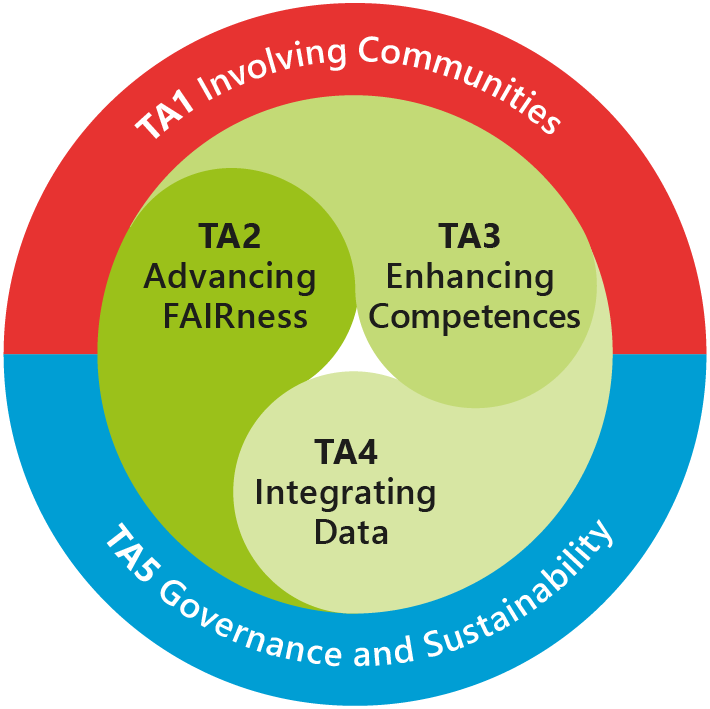
TA1 Involving Communities
Community participation and user integration are the basis for all of KonsortSWD’s activities. TA1, building on the German Data Forum (RatSWD) which brings together data users and data producers, comprises a set of measures that add to and reach beyond the activities in other TAs. TA1 also includes the The Committee for Research Data Infrastructure (FDI Committee), which, as a decentralized network, coordinates collaboration among the research data centers (RDCs) accredited and quality-assured by the RatSWD. The data and services provided by this existing infrastructure are accessed and used worldwide.
TA2 Advancing FAIRness
The infrastructures and services in TA2 aim to ensure and improve the quality and FAIRness of data while increasing data access by enhancing the discoverability of data and services provided by research data centers (RDCs) participating in KonsortSWD. They seek to coordinate the standardization and harmonization of data formats and metadata to achieve interoperability and promote the FAIR principles in (sensitive) data management – especially in light of the growing diversity of data types. They provide practical guidance through guidelines and hands-on support, and develop toolsets, services, and workflows aligned with current technological developments to enable the findability and reusability of research data. They facilitate the availability of and secure access to data subject to privacy regulations and other access restrictions for research purposes. TA2 also continues to drive the expansion of national and international networks by leveraging synergies with the NFDI and European research infrastructures, such as the European Open Science Cloud (EOSC), through the integration of research data resources into the EOSC EU Node.
TA3 Enhancing Competences
TA3’s services bring together existing training and consulting infrastructures in the professional context of research data management (RDM) and further develops them. It enhances them by providing services that strengthen and develop researchers’ skills in using research data (data literacy). Established services include RDM Compas, the information and training platform for professional data curation, the KonsortSWD-Helpdesk, our Standardized Data Management Plan for Educational Research (STAMP), and Forum4MICA. In this discussion forum on social science data, staff from research data centers answer questions from data users. In addition, ASSURED trains researchers in the secure use of sensitive data and supports RDCs in demonstrating this competence through standardized training and certification. Furthermore, researchers can learn about KonsortSWD’s data resources in the Meet-the-data event series. Information on data protection issues is also provided by the fact sheets of the NFDI Working Group ELSA, which offer guidance on FAIR- and GDPR-compliant practices for handling research data.
TA4 Integrating Data
TA4’s services develop and implement innovative technologies and methods for the integration, anonymization, and harmonization of research data. The goal is to make heterogeneous datasets more accessible, comparable, and usable for interdisciplinary research. This includes the further development of the first research data center in sports science with a focus on interdisciplinarity, usability, and innovative access to sensitive data (RDC Motor Performance). The CrisesData project has established the Information platform on data relevant to crises and disasters to improve the findability and usability of crisis- and disaster-related data and creates network formats between academia, data infrastructure, and practice. In addition, StanDem provides RDCs and researchers with specifications and guidance on the standardized measurement of sociodemographic characteristics in surveys. “FirmData” provides a framework for improved access to corporate data for research and promotes the development of new data collaborations.
TA5 Governance and Sustainability
TA5 manages and coordinates the coordination processes within the consortium and is responsible for financial, contractual, and quality management. In collaboration with NFDI4Culture, we’re setting up the foundations for operational and business models for FDM services.
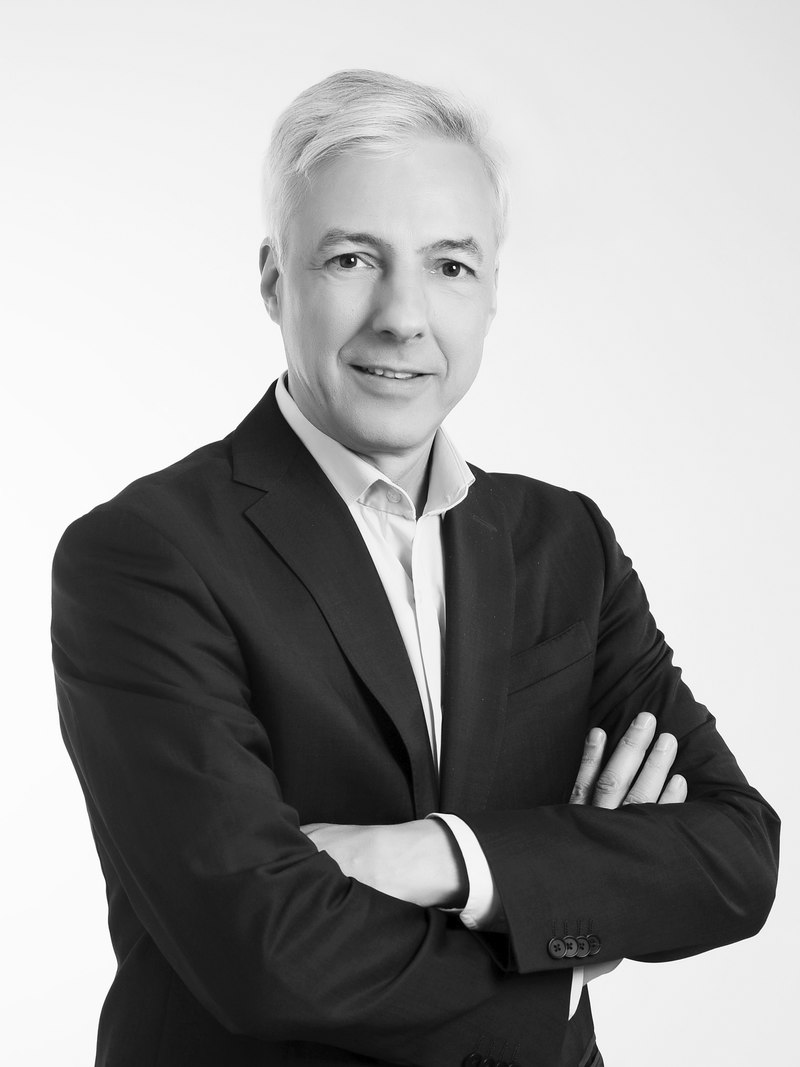
Prof. Dr. Christof Wolf
Speaker of the consortium
(Co-)applicant institutions and (co-)speakers:
- Professor Dr. Christian Aßmann – LIfBi – Leibniz-Institut für Bildungsverläufe
- Dr. Katarina Blask – Leibniz-Institut für Psychologie (ZPID)
- Professor Dr. Andreas Blätte – Universität Duisburg-Essen – Professur für Public Policy und Landespolitik
- Dr. Philipp Breidenbach – Forschungsdatenzentrum Ruhr (FDZ) am RWI – Leibniz-Institut für Wirtschaftsforschung
- Dr. David Broneske (seit April 2025) – DZHW – Deutsches Zentrum für Hochschul- und Wissenschaftsforschung / Professorin Dr. Monika Jungbauer-Gans (2020–April 2025) – DZHW – Deutsches Zentrum für Hochschul- und Wissenschaftsforschung
- Dr. Jan Goebel – SOEP am DIW Berlin – Deutsches Institut für Wirtschaftsforschung e.V.
- Professor Dr. Jan Paul Heisig – WZB – Wissenschaftszentrum Berlin für Sozialforschung gGmbH
- Professorin Dr. Betina Hollstein – Universität Bremen – FDZ Qualiservice
- Professor Dr. Bernd Kleimann – DZHW – Deutsches Zentrum für Hochschul- und Wissenschaftsforschung
- Dr. Katja Keller – Karlsruher Institut für Technologie (KIT)
- Professor Dr. Stefan Liebig – Freie Universität Berlin – Professur für Empirische Sozialstrukturanalyse
- Dr. Brigitte Mathiak – GESIS – Leibniz-Institut für Sozialwissenschaften
- Dr. Claudia Nießner – Karlsruher Institut für Technologie (KIT)
- Professor Dr. Marc Rittberger – DIPF – Leibniz-Institut für Bildungsforschung
- Professorin Dr. Kerstin Schneider – RWI – Leibniz-Institut für Wirtschaftsforschung
- Prof. Dr. Klaus Tochtermann – ZBW – Leibniz-Informationszentrum Wirtschaft
- Dr. Sebastian Wichert – ifo Institut für Wirtschaftsforschung
GESIS– Leibniz-Institute for the Social Sciences
Applicant institution
Participating Institutions
- Forschungsdatenzentrum des Instituts für Geschichte und Biographie – Archiv „Deutsches Gedächtnis“ (ADG – FDZ des IGB)
- Forschungsdatenzentrum des BAMF (BAMF-FDZ)
- Forschungsdatenzentrum BAuA (FDZ-BAuA)
- Forschungsdatenzentrum im BIBB (BIBB-FDZ)
- Forschungsdatenzentrum der BZgA (FDZ BZgA)
- Forschungsdatenzentrum des Sozio-oekonomischen Panels am DIW Berlin (FDZ SOEP)
- Forschungsdatenzentrum Betriebs- und Organisationsdaten am DIW Berlin (FDZ-BO)
- Forschungsdatenzentrum des DJI (FDZ-DJI)
- Forschungsdatenzentrum des DZA (FDZ-DZA)
- Forschungsdatenzentrum für Hochschul- und Wissenschaftsforschung (FDZ-DZHW)
- Forschungsdatenzentrum Deutsches Zentrum für Integration und Migration (DeZIM.fdz)
- Forschungsdatenzentrum Bildung (FDZ Bildung) am DIPF
- Forschungsdatenzentrum Wahlen bei GESIS (FDZ Wahlen)
- Forschungsdatenzentrum PIAAC bei GESIS (FDZ PIAAC)
- Forschungsdatenzentrum Internationale Umfrageprogramme bei GESIS
- (FDZ Internationale Umfrageprogramme)
- Forschungsdatenzentrum German Microdata Lab bei GESIS (FDZ GML)
- Forschungsdatenzentrum ALLBUS bei GESIS (FDZ ALLBUS)
- Forschungsdatenzentrum des Leibniz-Institut für Finanzmarktforschung SAFE
- Forschungsdatenzentrum der Hans-Böckler-Stiftung am WSI (FDZ WSI)
- LMU-ifo Economics & Business Data Center (EBDC)
- Forschungsdatenzentrum der Statistischen Ämter der Länder (FDZ-Länder)
- Forschungsdatenzentrum der Bundesagentur für Arbeit im IAB (FDZ BA im IAB)
- Forschungsdatenzentrum Archiv für Gesprochenes Deutsch am IDS (FDZ AGD)
- Forschungsdatenzentrum am IQB (FDZ IQB)
- Monitor der Siedlungs- und Freiraumentwicklung (IÖR-Monitor)
- Forschungsdatenzentrum des IWH (FDZ-IWH)
- Forschungsdatenzentrum PsychData des des Leibniz-Institutes für Psychologie (ZPID) (FDZ PsychData des ZPID)
- Forschungsdatenzentrum des LIfBi an der Otto-Friedrich-Universität Bamberg (FDZ-LIfBi)
- Forschungsdatenzentrum des Beziehungs- und Familienpanels (FDZ-pairfam)
- Forschungsdatenzentrum des Survey of Health, Ageing and Retirement in Europe (FDZ-SHARE)
- Forschungsdatenzentrum des RKI (FDZ RKI)
- Forschungsdatenzentrum Ruhr am RWI – Leibniz Institut für Wirtschaftsforschung (FDZ Ruhr am RWI)
- Interdisziplinäres Zentrum für IT- basierte qualitative arbeitssoziologische Forschungsdaten (FDZ eLabour)
- Forschungsdatenzentrum des Statistischen Bundesamtes (FDZ-Bund)
- Forschungsdatenzentrum Wissenschaftsstatistik des Stifterverbandes für die Deutsche Wissenschaft (FDZ Wissenschaftsstatistik)
- Forschungsdatenzentrum Qualiservice (FDZ Qualiservice)
- Forschungsdatenzentrum der Universitätsbibliothek Mannheim (FDZ UB Mannheim)
- Forschungsdatenzentrum des ZEW (ZEW-FDZ)
Prof. Dr. Christof Wolf
Speaker of the consortium
GESIS– Leibniz-Institute for the Social Sciences
Applicant institution
(Co-)applicant institutions and (co-)speakers:
- Professor Dr. Christian Aßmann – LIfBi – Leibniz-Institut für Bildungsverläufe
- Dr. Katarina Blask – Leibniz-Institut für Psychologie (ZPID)
- Professor Dr. Andreas Blätte – Universität Duisburg-Essen – Professur für Public Policy und Landespolitik
- Dr. Philipp Breidenbach – Forschungsdatenzentrum Ruhr (FDZ) am RWI – Leibniz-Institut für Wirtschaftsforschung
- Dr. David Broneske (seit April 2025) – DZHW – Deutsches Zentrum für Hochschul- und Wissenschaftsforschung / Professorin Dr. Monika Jungbauer-Gans (2020–April 2025) – DZHW – Deutsches Zentrum für Hochschul- und Wissenschaftsforschung
- Dr. Jan Goebel – SOEP am DIW Berlin – Deutsches Institut für Wirtschaftsforschung e.V.
- Professor Dr. Jan Paul Heisig – WZB – Wissenschaftszentrum Berlin für Sozialforschung gGmbH
- Professorin Dr. Betina Hollstein – Universität Bremen – FDZ Qualiservice
- Professor Dr. Bernd Kleimann – DZHW – Deutsches Zentrum für Hochschul- und Wissenschaftsforschung
- Dr. Katja Keller – Karlsruher Institut für Technologie (KIT)
- Professor Dr. Stefan Liebig – Freie Universität Berlin – Professur für Empirische Sozialstrukturanalyse
- Dr. Brigitte Mathiak – GESIS – Leibniz-Institut für Sozialwissenschaften
- Dr. Claudia Nießner – Karlsruher Institut für Technologie (KIT)
- Professor Dr. Marc Rittberger – DIPF – Leibniz-Institut für Bildungsforschung
- Professorin Dr. Kerstin Schneider – RWI – Leibniz-Institut für Wirtschaftsforschung
- Prof. Dr. Klaus Tochtermann – ZBW – Leibniz-Informationszentrum Wirtschaft
- Dr. Sebastian Wichert – ifo Institut für Wirtschaftsforschung
Participating Institutions
- Forschungsdatenzentrum des Instituts für Geschichte und Biographie – Archiv „Deutsches Gedächtnis“ (ADG – FDZ des IGB)
- Forschungsdatenzentrum des BAMF (BAMF-FDZ)
- Forschungsdatenzentrum BAuA (FDZ-BAuA)
- Forschungsdatenzentrum im BIBB (BIBB-FDZ)
- Forschungsdatenzentrum der BZgA (FDZ BZgA)
- Forschungsdatenzentrum des Sozio-oekonomischen Panels am DIW Berlin (FDZ SOEP)
- Forschungsdatenzentrum Betriebs- und Organisationsdaten am DIW Berlin (FDZ-BO)
- Forschungsdatenzentrum des DJI (FDZ-DJI)
- Forschungsdatenzentrum des DZA (FDZ-DZA)
- Forschungsdatenzentrum für Hochschul- und Wissenschaftsforschung (FDZ-DZHW)
- Forschungsdatenzentrum Deutsches Zentrum für Integration und Migration (DeZIM.fdz)
- Forschungsdatenzentrum Bildung (FDZ Bildung) am DIPF
- Forschungsdatenzentrum Wahlen bei GESIS (FDZ Wahlen)
- Forschungsdatenzentrum PIAAC bei GESIS (FDZ PIAAC)
- Forschungsdatenzentrum Internationale Umfrageprogramme bei GESIS
- (FDZ Internationale Umfrageprogramme)
- Forschungsdatenzentrum German Microdata Lab bei GESIS (FDZ GML)
- Forschungsdatenzentrum ALLBUS bei GESIS (FDZ ALLBUS)
- Forschungsdatenzentrum des Leibniz-Institut für Finanzmarktforschung SAFE
- Forschungsdatenzentrum der Hans-Böckler-Stiftung am WSI (FDZ WSI)
- LMU-ifo Economics & Business Data Center (EBDC)
- Forschungsdatenzentrum der Statistischen Ämter der Länder (FDZ-Länder)
- Forschungsdatenzentrum der Bundesagentur für Arbeit im IAB (FDZ BA im IAB)
- Forschungsdatenzentrum Archiv für Gesprochenes Deutsch am IDS (FDZ AGD)
- Forschungsdatenzentrum am IQB (FDZ IQB)
- Monitor der Siedlungs- und Freiraumentwicklung (IÖR-Monitor)
- Forschungsdatenzentrum des IWH (FDZ-IWH)
- Forschungsdatenzentrum PsychData des des Leibniz-Institutes für Psychologie (ZPID) (FDZ PsychData des ZPID)
- Forschungsdatenzentrum des LIfBi an der Otto-Friedrich-Universität Bamberg (FDZ-LIfBi)
- Forschungsdatenzentrum des Beziehungs- und Familienpanels (FDZ-pairfam)
- Forschungsdatenzentrum des Survey of Health, Ageing and Retirement in Europe (FDZ-SHARE)
- Forschungsdatenzentrum des RKI (FDZ RKI)
- Forschungsdatenzentrum Ruhr am RWI – Leibniz Institut für Wirtschaftsforschung (FDZ Ruhr am RWI)
- Interdisziplinäres Zentrum für IT- basierte qualitative arbeitssoziologische Forschungsdaten (FDZ eLabour)
- Forschungsdatenzentrum des Statistischen Bundesamtes (FDZ-Bund)
- Forschungsdatenzentrum Wissenschaftsstatistik des Stifterverbandes für die Deutsche Wissenschaft (FDZ Wissenschaftsstatistik)
- Forschungsdatenzentrum Qualiservice (FDZ Qualiservice)
- Forschungsdatenzentrum der Universitätsbibliothek Mannheim (FDZ UB Mannheim)
- Forschungsdatenzentrum des ZEW (ZEW-FDZ)