Storage Federation
Building a Federated FAIR Storage Infrastructure for EOSC
The use case connects national HPC and storage providers with the needs of the NFDI consortia, so that research data is hosted on sovereign infrastructure and stays accessible across Europe. The result is a sovereign, interoperable and scalable storage infrastructure that complies with the FAIR principles. It is aligned with EOSC Node Germany and can be extended to pan-European infrastructures.
Objectives:
Connect
Align the national HPC and storage providers of the NHR Alliance with NFDI consortia requirements.
Enable
Develop management capabilities that allow service providers to provision and manage S3 buckets themselves.
Prototype
Build a resilient, interoperable storage layer that integrates high-capacity hardware, including systems funded through the DFG/NFDI storage call.
Link to Europe
Connect the national activities with GÉANT’s work on pan-European object storage.
Researchers
Store your data on sovereign, high-performance infrastructure in Germany. It stays findable and accessible through the EOSC Federation.
Service providers
Build your services on federated storage. Provision and manage S3 buckets and let your users sign in with their existing community logins.
Storage providers
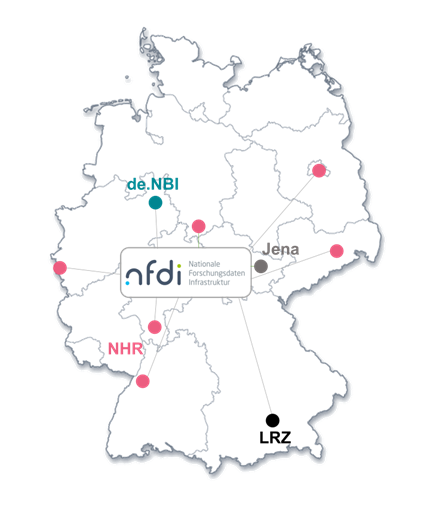
Join the federation with your own systems. The prototype at TU Dresden and RWTH Aachen serves as your blueprint.
What the use case delivers
Background and goal: Why a storage federation?
A national effort is underway to connect HPC and storage providers to the needs of the NFDI consortia to build higher level RDM services. Among others, national service providers like the NHR alliance and de.NBI aim to contribute to this build-up. This work package prototypes the foundational infrastructure for a resilient and interoperable storage layer that integrates the high-capacity hardware assets, e.g. funded by the DFG/NFDI-storage call (and potentially further storage systems) and aligns them with the requirements towards generic EOSC Node capabilities and serves as a blueprint that can then be adopted by other storage providers. This integrated approach backs EOSC Node Germany with a storage platform for FAIR-compliant and data-intensive research.
Technical approach: How does it work?
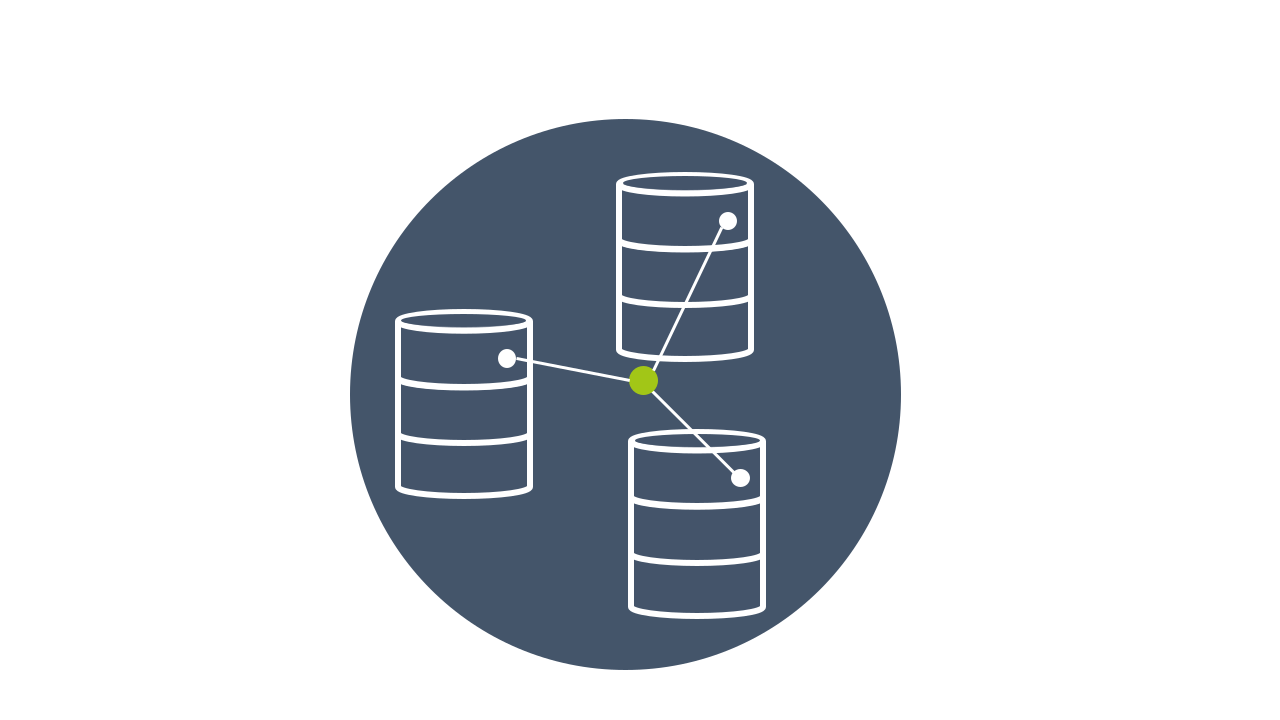
A federated system based on S3-compatible interfaces and geo-distributed object storage abstractions enables seamless data mobility and lifecycle management across local, national, and European tiers. Additionally, FAIR Digital Object based interoperability layers as provided by the RDM platform Coscine can be further integrated to ensure data is machine-actionable and linked with its relevant metadata. This ensures that research data is hosted on sovereign, high-performance infrastructure while remaining fully discoverable and accessible through the EOSC Federation, thereby bridging the technical gap between provision and service delivery to build further node capabilities. The work package focuses on the development of storage management capabilities that allow service providers to provision and manage S3 buckets, and aims to connect the national activities to Géant activities on the pan-European object storage.
Results: What does the use case provide?
S3 based object storage is available as a federated storage capability into services in the national node. It provides a scalable, secure, and durable interface that is ideal for managing large volumes of unstructured data.
Secure access to federated storage is managed through the IAM4NFDI provided Community-AAIs. This connects the storage platform to digital identities and federated access across all NFDI consortia and within the EOSC Federation.
Federated interoperability of data on top of storage protocols using machine-actionable self-descriptions. Using the FAIR Digital Object (FDO) concept, platforms like Coscine or or TUD Data Hub can add an interoperability layer to access data and metadata on the storage platforms.
Meet us at the EOSC Symposium 2026
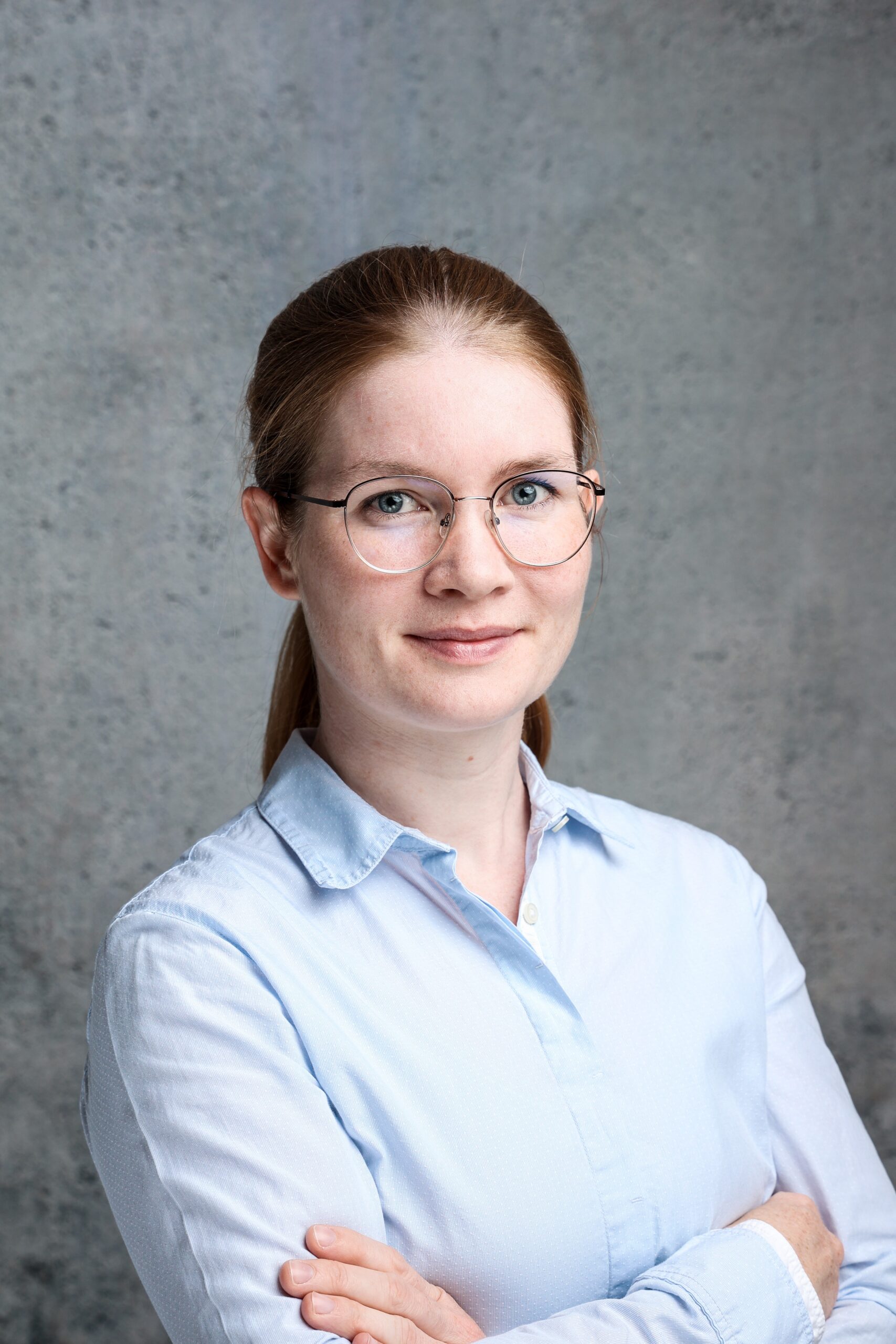
Dr. Ilona Lang (RWTH Aachen University) is on site at the EOSC Symposium in Florence and happy to answer your questions about the Storage Federation use case.
lang[at]itc.rwth-aachen.de
Further contacs
Prof. Dr. Lars Bernard (Lead), Lars.Bernard[at]tu-dresden.de
Dr. Matthias Lieber, matthias.lieber[at]tu-dresden.de
Najla Rettberg, Najla.rettberg[at]tu-dresden.de
Dr. Marius Politze, politze[at]itc.rwth-aachen.de
