
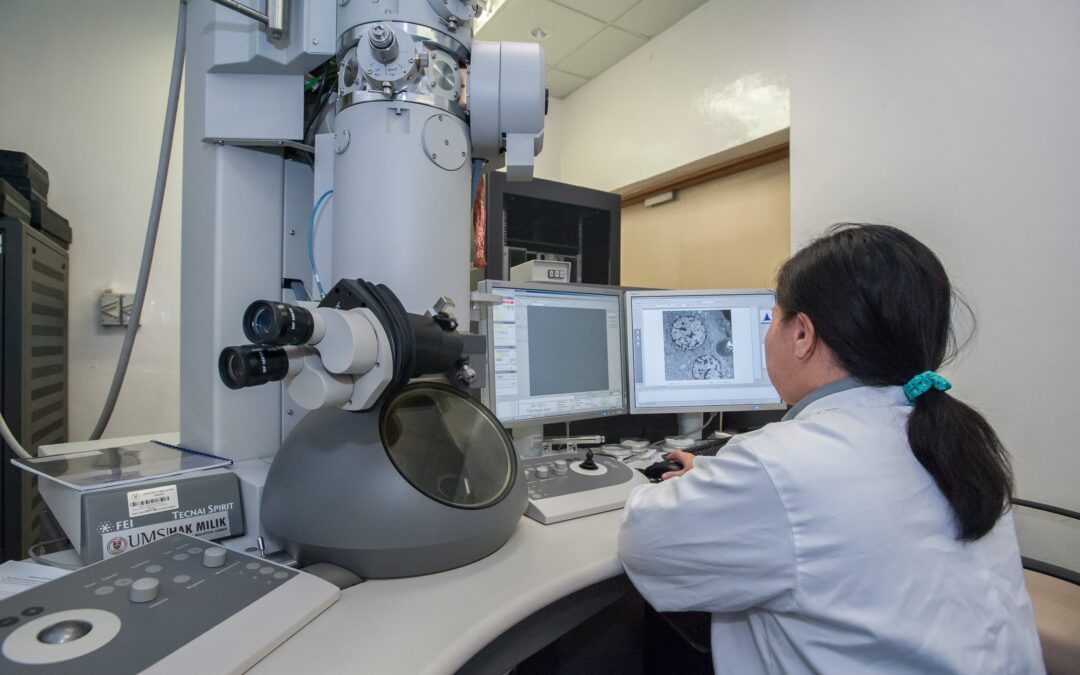
Imaging techniques in biology, particularly high-performance microscopes based on light and electron beams, allow detailed insights into the processes of life. These procedures generate far more than images: Microscopy generates highly complex data sets that allow precise measurements and analyses. Today, it is not unusual for microscopes to produce several terabytes of data in a few hours. Storing, processing, and making these data publicly accessible is a significant challenge.
NFDI4BIOIMAGE, a project of the National Research Data Infrastructure, is addressing these challenges. Members of the consortium are playing a key role in the international development of a next-generation file format (NGFF). This format, “OME-Zarr,” allows large image datasets to be stored in the cloud and accessed via a web browser. At the same time, complex image data and metadata are fully preserved. The data can be streamed and loaded step by step without having to be fully downloaded.
The development is carried out in international coordination through a Request for Comments process, which ensures that the needs of the scientific community are considered. This ensures an open, international standard for biological image data that provides a sustainable foundation for the long-term use of large research data sets.
More:
Other posts
Posts
Enabling DMP services for the agrosystems research community: DMP4NFDI in FAIRagro
FAIRagro DMP Service Strengthens Research Data Management in Agricultural Systems Research
In collaboration with DMP4NFDI, FAIRagro has established a comprehensive service for data management plans (DMPs) tailored to agricultural systems research. Built on the open-source Research Data Management Organiser (RDMO), the service provides a discipline-specific DMP template with detailed guidance, predefined answer options, and direct access to the FAIRagro Helpdesk. It helps researchers meet funder requirements, promotes good research practice, and improves the findability, accessibility, and reusability of research data in line with the FAIR principles. Developed through a series of joint incubator projects with DMP4NFDI, the service continues to evolve, including the future integration of controlled vocabularies in collaboration with TS4NFDI.
Humanities@NFDI: Working Together for Sustainable Research Data
Cross-Disciplinary Collaboration for Preserving Cultural Heritage
Humanities@NFDI brings together four NFDI consortia to ensure the long-term accessibility and reuse of research data in the humanities and cultural sciences. Through shared standards, vocabularies, and community-driven activities, the initiative fosters interdisciplinary collaboration and strengthens digital cultural heritage research.
QualidataNet by KonsortSWD-NFDI4Society is the “central point of entry” for qualitative data and its secondary use.
QualidataNet – Making Qualitative Research Data Visible and Reusable
QualidataNet is the central access point for the reuse, archiving, and research data management of qualitative research data. Its search portal improves the visibility and discoverability of qualitative datasets from different providers. Through practical guidance, tools such as the open-source anonymization tool QualiAnon, and contributions to international metadata standards, QualidataNet supports researchers, educators, and institutions working with qualitative data. At the same time, the network fosters collaboration, exchange, and a stronger culture of qualitative data reuse across the community.

Recent Comments