
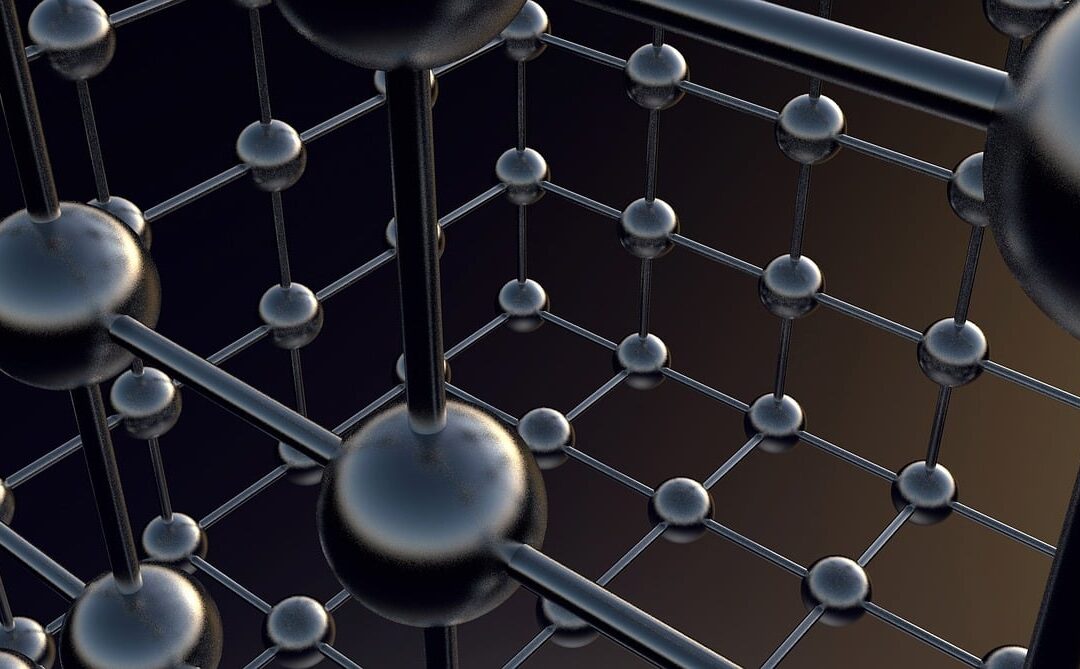
The implementation of pyiron-based automated workflows fundamentally improves the creation of machine learning interatomic potentials (MLPs) in materials science. This comprehensive and user-friendly framework, built upon the pyiron integrated development environment (IDE), allows researchers to seamlessly navigate the entire MLP development cycle. The process begins with the creation of systematic Density Functional Theory (DFT) databases, followed by fitting the DFT data to various empirical potentials or MLPs, and culminates in the validation of these potentials through a largely automated approach. The framework’s power is exemplified through its application to three distinct classes of interatomic potentials: the embedded atom method (EAM), high-dimensional neural network potentials (HDNNP), and atomic cluster expansion (ACE). Each method showcases the versatility and efficiency of the pyiron workflows. A notable success story involves the computation of a binary composition-temperature phase diagram for the Al-Li alloy, a lightweight material critical to the aerospace industry. This advanced validation not only demonstrates the framework’s capabilities but also highlights its potential to accelerate research and development in materials engineering, paving the way for innovative applications in various technological fields. A more in-depth description of successful pyiron implementation can be found in the Nature Nature Communications Article.
More information:
Other posts
Posts
Enabling DMP services for the agrosystems research community: DMP4NFDI in FAIRagro
FAIRagro DMP Service Strengthens Research Data Management in Agricultural Systems Research
In collaboration with DMP4NFDI, FAIRagro has established a comprehensive service for data management plans (DMPs) tailored to agricultural systems research. Built on the open-source Research Data Management Organiser (RDMO), the service provides a discipline-specific DMP template with detailed guidance, predefined answer options, and direct access to the FAIRagro Helpdesk. It helps researchers meet funder requirements, promotes good research practice, and improves the findability, accessibility, and reusability of research data in line with the FAIR principles. Developed through a series of joint incubator projects with DMP4NFDI, the service continues to evolve, including the future integration of controlled vocabularies in collaboration with TS4NFDI.
Humanities@NFDI: Working Together for Sustainable Research Data
Cross-Disciplinary Collaboration for Preserving Cultural Heritage
Humanities@NFDI brings together four NFDI consortia to ensure the long-term accessibility and reuse of research data in the humanities and cultural sciences. Through shared standards, vocabularies, and community-driven activities, the initiative fosters interdisciplinary collaboration and strengthens digital cultural heritage research.
QualidataNet by KonsortSWD-NFDI4Society is the “central point of entry” for qualitative data and its secondary use.
QualidataNet – Making Qualitative Research Data Visible and Reusable
QualidataNet is the central access point for the reuse, archiving, and research data management of qualitative research data. Its search portal improves the visibility and discoverability of qualitative datasets from different providers. Through practical guidance, tools such as the open-source anonymization tool QualiAnon, and contributions to international metadata standards, QualidataNet supports researchers, educators, and institutions working with qualitative data. At the same time, the network fosters collaboration, exchange, and a stronger culture of qualitative data reuse across the community.

Recent Comments